I first traveled to El Salvador in 1999. In the years since that first visit, Oscar Romero has continued to challenge me in profound ways as I consider what it means to be a Christian. Now recognized universally as a saint, Romero grew up in poverty, hidden from the world, quiet and conservative by nature. Despite this, he was named Archbishop of San Salvador during a brutal civil war, with an expectation that he would continue a tradition of offering no challenge to a repressive military government. Instead, faced with glaring economic injustice and horrific human rights abuses, Romero embraced his role as pastor, speaking out against oppression and directly challenging those in power. This month will mark the 39th anniversary of his murder at the hands of that power.
When I think of Romero I am most struck by his courage. He could have taken a far safer route by adjusting his understanding and proclamation of the gospel in ways that would keep the powerful – including himself – more comfortable. He may have lived a longer life, and most of us would have never heard of him. He is a saint today because he had the courage to allow his ministry to be animated by the example of Jesus, and that is always a threat to corrupt power.
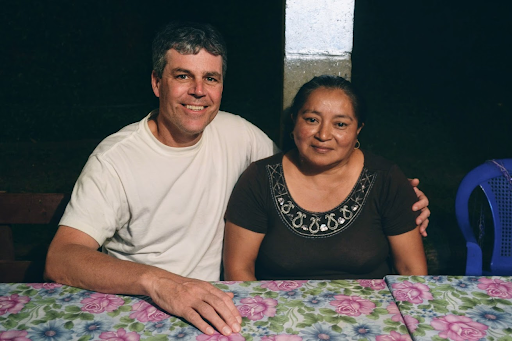
I write this on the eve of International Women’s Day, and it is certainly the case that women, too, have forever found it necessary to act with courage in the face of patriarchal power. On my first trip, hosted by CEBES (now Fundahmer), we traveled to a tiny rural community called El Ocotillo in the department of Morazán. There I met many wonderful people, including a woman named Claudia Perez who was a leader of the women’s cooperative in the community. Machismo continues to be a reality in El Salvador, but there is no escaping the fact that any vision or progress made in communities like El Ocotillo is the result of courageous women who organize – often despite opposition from men. Claudia and the women of El Ocotillo – daughters, mothers, and grandmothers – have worked cooperatively to produced outcomes that include a scholarship program for children, sewing and musical projects, and computers and other technology for the local school. Organizations like Fundahmer play an essential role in supporting Salvadoran women by providing training and a network of partnerships.
I am so proud to support the work of FACES. I invite you to join us!
 FACES
FACES 